A garden composition begins with relationships, not individual plants.
GardenCanvas approaches planting design through observation, comparison, and small layout decisions. Height, spacing, texture, repetition, color, and seasonal interest are considered together before plants are placed in the ground.
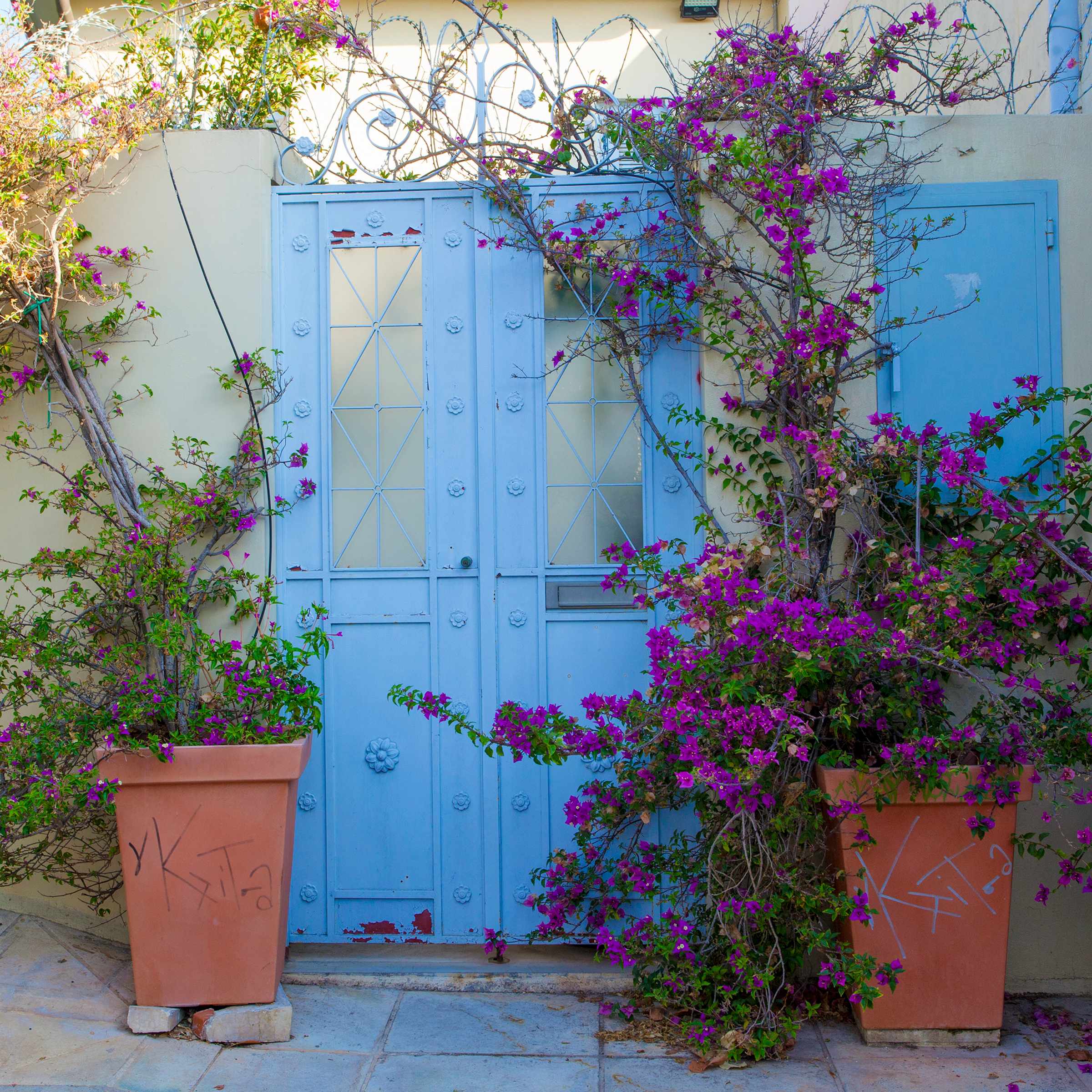
What guides each planting decision.
Read the bed shape
Begin with the bed outline, its proportions, and the main viewing direction before deciding where individual plants belong.
Layer plant heights
Arrange low, medium, and taller forms so foreground plants remain visible and the composition develops clear depth.
Compare texture and form
Use foliage texture, leaf shape, and plant silhouette to create contrast without depending entirely on flowers for visual interest.
Plan mature spacing
Judge spacing by mature height and spread rather than nursery-pot size so plant groups have room to develop.
Use repetition carefully
Repeat selected plants, forms, or colors across a bed to create rhythm while avoiding a layout that feels rigid.
Think beyond one season
Consider bloom periods, foliage, evergreen structure, and changing plant mass so the composition is not planned for one moment alone.

I stopped treating every attractive plant as a separate choice. Comparing height, mature spread, and foliage texture on a sketch made it much easier to see how the whole bed could work together.
How a composition moves from idea to planting.
Observe the space
Measure the bed, note its main viewing angle, and look at where the composition needs stronger foreground, middle, or background structure.
Sketch the first layout
Mark the bed outline on paper and place simple plant circles or names before making permanent decisions in the garden.
Test different groupings
Move the same plant set through several arrangements and compare how repetition, visual weight, and focal points change from one version to another.
Check scale and spacing
Compare mature height and spread so low plants are not hidden and tightly packed areas can be corrected before planting.
Review color and texture
Look beyond flower color and check leaf shape, foliage texture, vertical forms, rounded forms, and the balance between quiet and accent plants.
Adjust before digging
Review the plan from the main viewing direction and revise areas that feel crowded, empty, flat, disconnected, or visually too heavy.
Have a bed or border you want to plan more carefully?
Ask about starting with an existing planting or a blank bed, the planning tools you may need, and how the course approaches spacing, grouping, color, and seasonal balance.